A Beginner's Guide to Plant-Based Eating
Discover the essentials of plant-based eating, including benefits, meal ideas, and tips for beginners looking to make a healthy change.
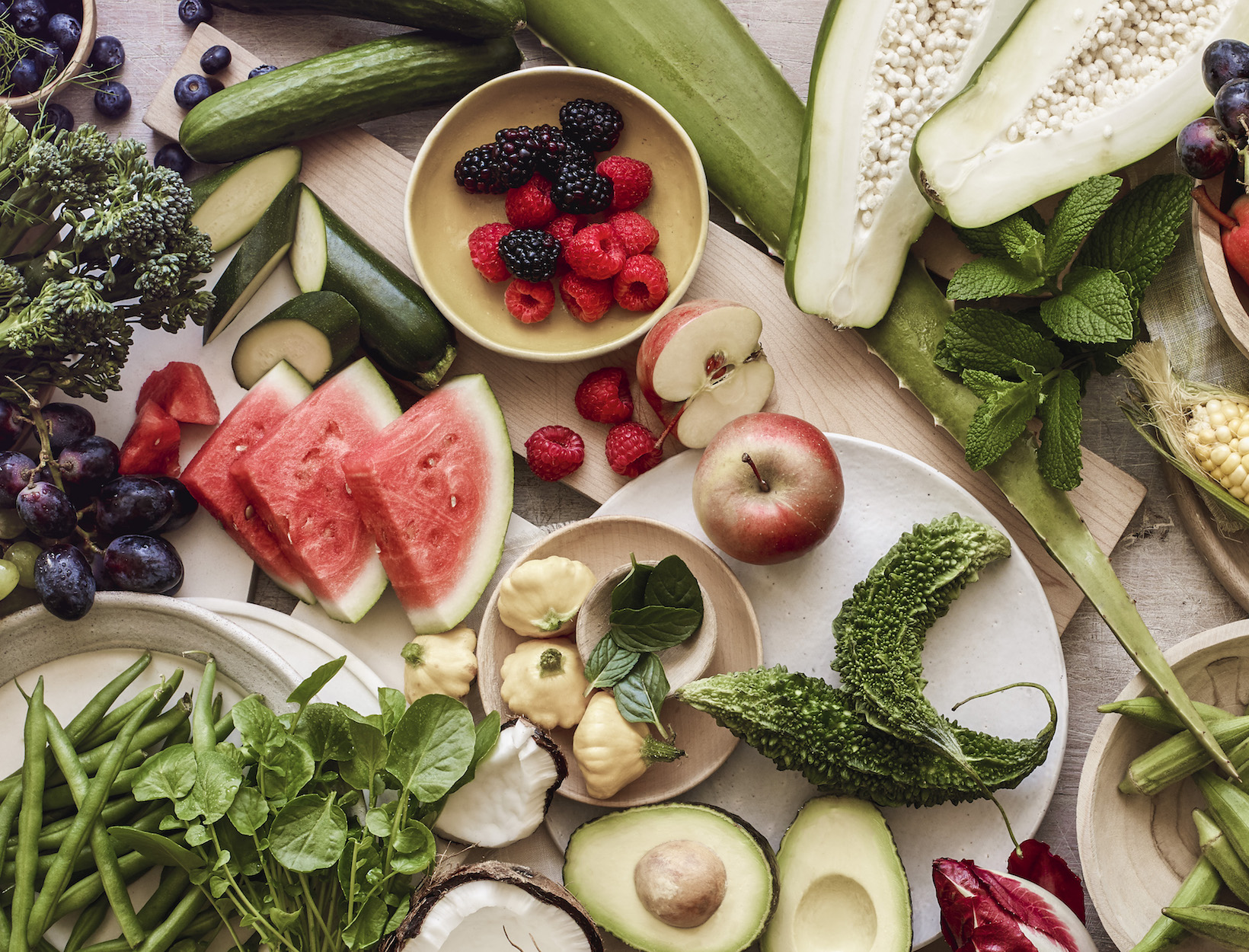
Understanding Plant-Based Eating
Plant-based eating focuses on consuming foods primarily from plants. This includes not just fruits and vegetables, but also nuts, seeds, oils, whole grains, legumes, and beans. It's important to understand that plant-based doesn't necessarily mean vegetarian or vegan; you can still include small amounts of animal products in your diet if you choose. The emphasis is on making plant foods the central part of your meals. This way of eating is associated with numerous health benefits, including improved heart health, weight management, and lower risk of chronic diseases. Plant-based diets are also more environmentally sustainable, as they require fewer natural resources than diets heavy in animal products.
Benefits of a Plant-Based Diet
Adopting a plant-based diet can lead to significant health improvements. Research suggests that plant-based diets are rich in fiber, vitamins, and minerals, which contribute to better overall health. They are also lower in calories and saturated fats, which can help with weight management and reduce the risk of heart disease. Many people report increased energy levels and improved digestion after switching to a plant-based diet. Additionally, plant-based diets have been linked to a lower risk of developing chronic conditions such as diabetes, hypertension, and certain cancers. The antioxidants and phytonutrients found in plant foods can help boost your immune system and protect against inflammation.
Getting Started with Plant-Based Eating
Transitioning to a plant-based diet doesn't have to be overwhelming. Start by incorporating more plant foods into your current diet. For example, you can begin by adding more fruits and vegetables to your meals or trying out meatless Mondays. Gradually replace animal products with plant-based alternatives, such as using beans or lentils in place of meat in your favorite recipes. Explore new foods and flavors by trying different types of grains, legumes, nuts, and seeds. It's also helpful to plan your meals and snacks ahead of time to ensure you have plenty of plant-based options available. Remember, it's not about perfection but progress; even small changes can make a big difference.
Essential Nutrients in Plant-Based Diets
While plant-based diets are nutritious, it's important to pay attention to certain nutrients that may be less abundant in plant foods. Protein is a common concern, but there are plenty of plant-based sources such as beans, lentils, tofu, tempeh, and quinoa. Iron can be found in leafy greens, legumes, and fortified cereals. To enhance iron absorption, pair these foods with vitamin C-rich foods like citrus fruits or bell peppers. Calcium is available in fortified plant milks, tofu, and leafy greens. Vitamin B12, which is primarily found in animal products, can be obtained through fortified foods or supplements. Omega-3 fatty acids, important for heart and brain health, are present in flaxseeds, chia seeds, and walnuts.
Common Myths About Plant-Based Eating
There are several misconceptions about plant-based diets that can deter people from trying them. One myth is that plant-based diets are expensive. In reality, many plant foods like beans, lentils, and grains are quite affordable. Another myth is that you won't get enough protein, but as mentioned earlier, there are numerous plant-based protein sources. Some people believe that plant-based diets are boring or restrictive, but with a little creativity, you can enjoy a wide variety of delicious and satisfying meals. Lastly, some worry about nutrient deficiencies, but with proper planning and knowledge, a plant-based diet can provide all the essential nutrients your body needs.
Tips for Long-Term Success
To maintain a plant-based diet long-term, it's important to keep it enjoyable and sustainable. Experiment with new recipes and cooking techniques to keep your meals interesting. Join online communities or local groups for support and inspiration. Educate yourself about plant-based nutrition to ensure you're meeting your dietary needs. Don't be too hard on yourself if you occasionally eat animal products; the goal is to make plant foods the foundation of your diet. Lastly, listen to your body and make adjustments as needed. Over time, you'll find what works best for you and enjoy the many benefits of plant-based eating.