Developing Essential Soft Skills for Career Advancement
Mastering essential soft skills such as communication, teamwork, and adaptability can significantly boost career advancement opportunities.
Understanding the Importance of Soft Skills
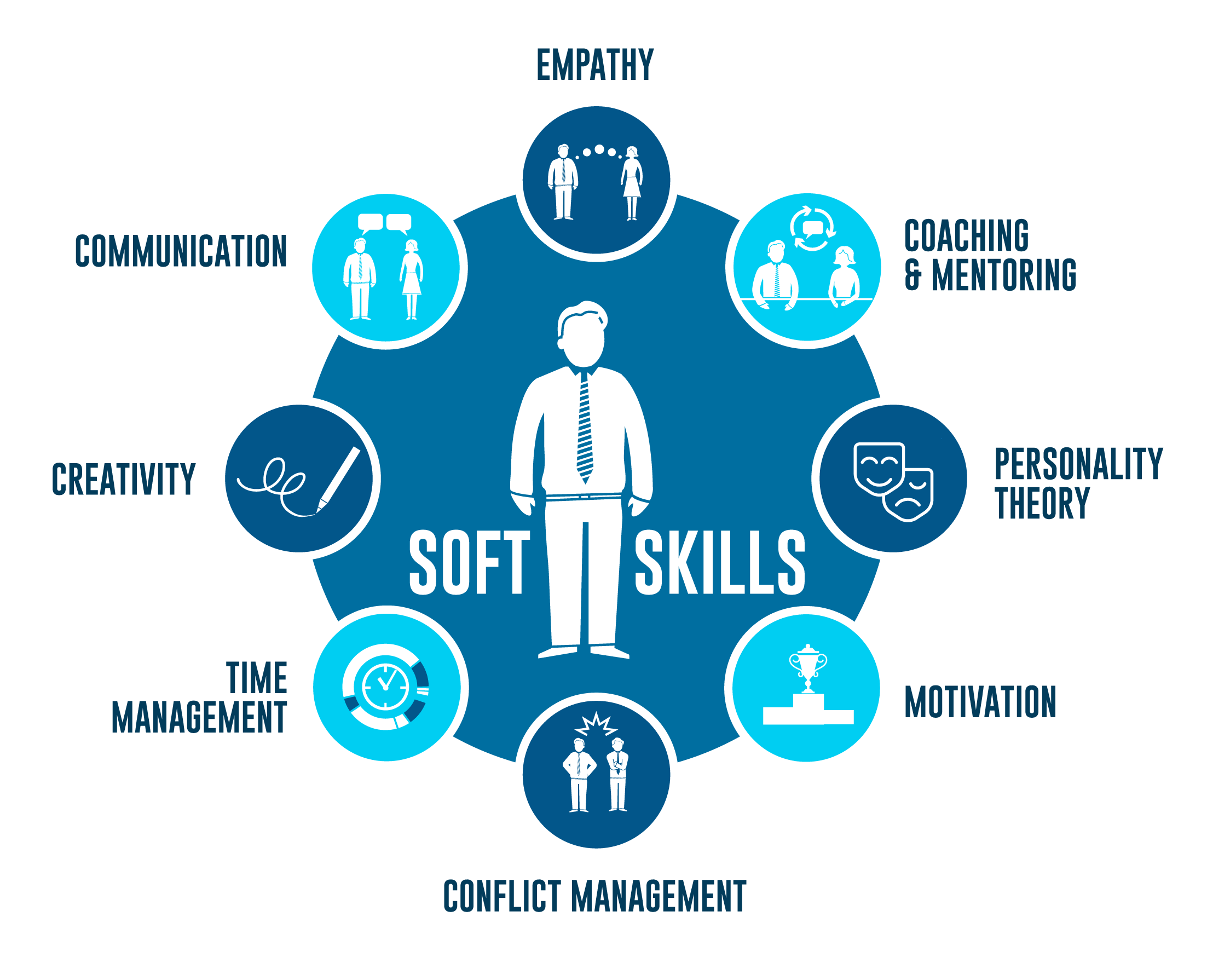
In today's competitive job market, possessing technical expertise alone is not enough. Soft skills—the personal attributes that enable individuals to interact effectively and harmoniously with others—are equally crucial for career advancement. These skills include communication, teamwork, problem-solving, and emotional intelligence. Employers increasingly value these qualities as they contribute to a positive work environment and enhance productivity. Developing these skills can differentiate you from other candidates, making you a more attractive prospect for promotions and new job opportunities. Understanding the importance of soft skills is the first step towards integrating them into your professional toolkit.
Effective Communication
Communication is a fundamental soft skill that encompasses both verbal and non-verbal interactions. Clear and concise communication can prevent misunderstandings and foster a collaborative work environment. Whether it's presenting ideas, writing emails, or participating in meetings, effective communication ensures that your message is understood and valued. Practicing active listening is equally important; it shows respect for colleagues' viewpoints and can lead to more meaningful exchanges. By honing your communication skills, you can build stronger relationships with your peers and superiors, paving the way for career growth.
Teamwork and Collaboration
In any workplace, the ability to work well with others is paramount. Teamwork and collaboration involve understanding different perspectives, sharing responsibilities, and contributing to group objectives. Being a team player means valuing the input of others and working towards common goals rather than personal achievements. This skill is particularly important in diverse workplaces where varied experiences and backgrounds can enrich the team's output. Demonstrating strong teamwork abilities can lead to leadership roles, as it shows you can manage and motivate a group effectively. Prioritizing collaboration over competition can significantly enhance your career prospects.
Problem-Solving Abilities
Every job comes with its own set of challenges. Problem-solving skills enable you to navigate these challenges efficiently. This involves critical thinking, creativity, and the ability to remain calm under pressure. Employers seek individuals who can identify issues, analyze potential solutions, and implement effective strategies. Being proactive in problem-solving not only helps in your current role but also prepares you for more complex responsibilities. Enhancing your problem-solving abilities can make you indispensable to your organization, as it demonstrates your capacity to handle unforeseen situations adeptly.
Emotional Intelligence
Emotional intelligence (EI) refers to the ability to understand and manage your own emotions, as well as recognize and influence the emotions of others. High EI can improve your interpersonal interactions and help you navigate social complexities at work. It involves self-awareness, self-regulation, motivation, empathy, and social skills. By developing emotional intelligence, you can build stronger relationships, manage stress better, and lead more effectively. This skill is particularly valuable in leadership roles, where understanding and managing team dynamics is crucial for success. Investing in your emotional intelligence can lead to a more fulfilling and productive career.
Adaptability and Flexibility
The modern workplace is ever-changing, requiring employees to be adaptable and flexible. These skills involve being open to new ideas, adjusting to new roles or responsibilities, and learning new technologies or processes. Adaptability shows that you are willing to grow with the company and can handle change without becoming overwhelmed. Flexibility also means being able to juggle multiple tasks and prioritize effectively. Employers value these traits as they indicate resilience and a proactive attitude. By embracing adaptability and flexibility, you can navigate the evolving job landscape more successfully, positioning yourself for long-term career advancement.