Guide to Sustainable Gardening Practices
Discover sustainable gardening practices to create an eco-friendly garden that thrives while conserving resources and promoting biodiversity.
Understanding Sustainable Gardening
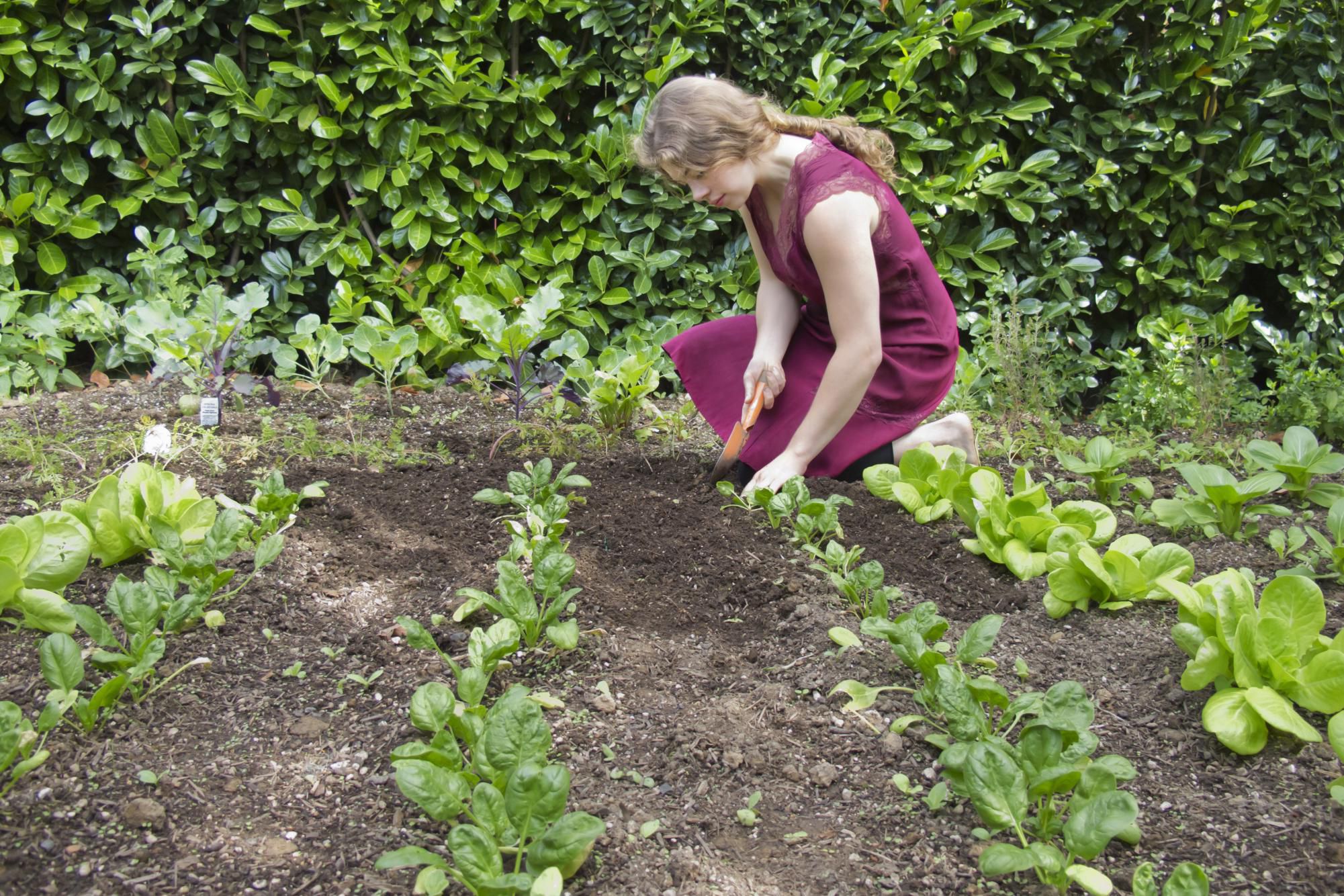
Sustainable gardening is an approach that focuses on cultivating plants in a way that is environmentally friendly and conserves resources. This method not only benefits the ecosystem but also promotes biodiversity. By using natural resources wisely and avoiding harmful chemicals, sustainable gardening helps maintain the health of the soil, air, and water. It encourages gardeners to work in harmony with nature, fostering a balanced ecosystem where plants, insects, and wildlife can thrive. Key practices include composting, water conservation, and choosing native plants. These techniques help reduce waste, minimize water usage, and support local wildlife, making your garden a sanctuary for both plants and animals.
Soil Health and Composting
Maintaining healthy soil is fundamental to sustainable gardening. Healthy soil is rich in nutrients and organic matter, which supports robust plant growth. One of the best ways to enhance soil health is through composting. Composting involves recycling organic waste, such as kitchen scraps and yard clippings, into nutrient-rich compost. This natural fertilizer improves soil structure, increases its water-holding capacity, and provides essential nutrients to plants. Moreover, composting reduces the need for chemical fertilizers, which can harm the environment. Regularly adding compost to your garden soil helps create a thriving ecosystem where plants can flourish naturally.
Water Conservation Techniques
Water is a precious resource, and conserving it is a crucial aspect of sustainable gardening. Implementing water-saving techniques can significantly reduce water usage without compromising plant health. One effective method is using drip irrigation systems, which deliver water directly to the plant roots, minimizing evaporation and runoff. Mulching is another valuable practice; it involves covering the soil with organic materials like straw or wood chips to retain moisture and suppress weeds. Additionally, collecting rainwater in barrels for garden use is an excellent way to conserve water. These practices not only save water but also promote healthier plant growth by ensuring they receive consistent moisture levels.
Choosing Native Plants
Selecting native plants for your garden is a cornerstone of sustainable gardening. Native plants are adapted to the local climate and soil conditions, making them more resilient and easier to maintain. They require less water, fertilizer, and pesticides compared to non-native species. Moreover, native plants provide essential habitat and food sources for local wildlife, including pollinators like bees and butterflies. By incorporating a variety of native species into your garden, you can create a diverse and balanced ecosystem. This not only enhances the beauty of your garden but also supports biodiversity and environmental health.
Integrated Pest Management
Integrated Pest Management (IPM) is a sustainable approach to controlling pests in your garden. Instead of relying on chemical pesticides, IPM uses a combination of biological, cultural, and mechanical methods to manage pest populations. This includes encouraging beneficial insects, such as ladybugs and predatory beetles, which naturally control harmful pests. Crop rotation and planting pest-resistant varieties are also effective strategies. Regular monitoring and early intervention are key components of IPM, allowing gardeners to address pest issues before they become severe. By adopting IPM practices, you can maintain a healthy garden ecosystem while minimizing the impact on the environment.