How to Create a Balanced Diet Plan
Learn how to create a balanced diet plan that meets your nutritional needs, promotes health, and supports your lifestyle.
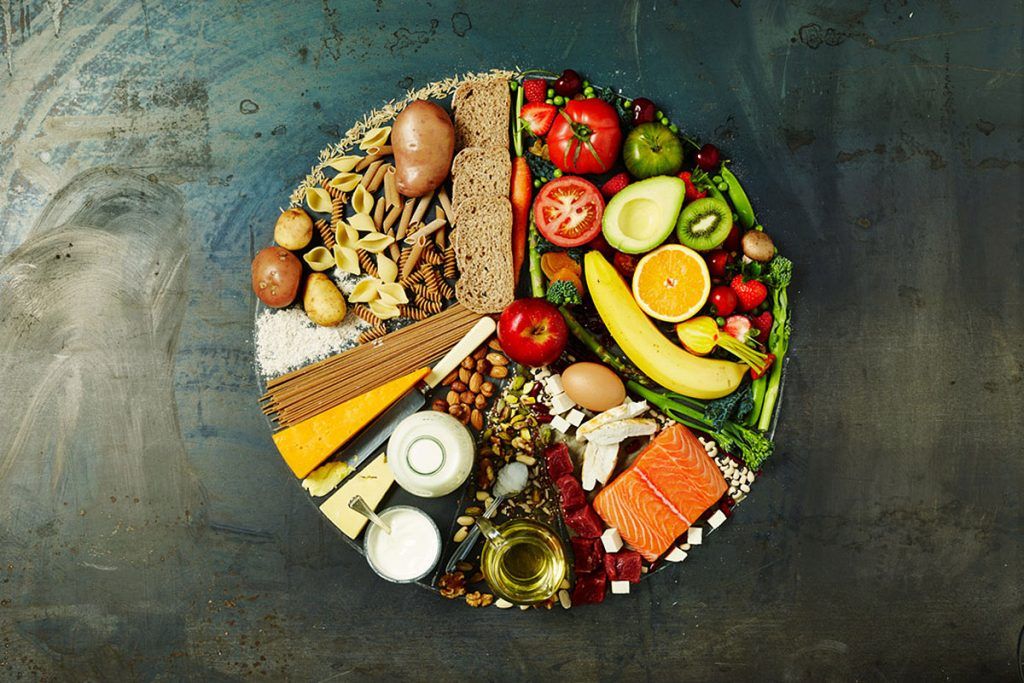
Understanding the Basics of a Balanced Diet
A balanced diet is essential for maintaining good health and well-being. It involves consuming a variety of foods in the right proportions to provide the necessary nutrients your body needs. These nutrients include carbohydrates, proteins, fats, vitamins, and minerals. Each food group plays a vital role in supporting different bodily functions. For example, carbohydrates provide energy, proteins help in building and repairing tissues, and fats are crucial for brain health. To create a balanced diet plan, start by understanding the nutritional value of different foods and how they contribute to your overall health.
Incorporating a Variety of Foods
One of the key principles of a balanced diet is to include a wide range of foods from different food groups. This ensures that you get a diverse array of nutrients. Aim to fill your plate with fruits, vegetables, whole grains, lean proteins, and healthy fats. For instance, fruits and vegetables are rich in vitamins, minerals, and fiber, while whole grains provide essential carbohydrates and proteins. Including a variety of foods not only makes your meals more interesting but also helps prevent nutritional deficiencies and promotes overall health.
Portion Control and Moderation
Even healthy foods can lead to weight gain and other health issues if consumed in large quantities. Portion control is crucial in maintaining a balanced diet. Pay attention to serving sizes and try to avoid oversized portions. Moderation is key; it's okay to enjoy your favorite treats occasionally, but make sure they don't dominate your diet. Using smaller plates, reading food labels, and being mindful of hunger cues can help you manage portion sizes effectively. Remember, balance is not just about what you eat, but also how much you eat.
Meal Planning and Preparation
Effective meal planning is a cornerstone of a balanced diet. Planning your meals ahead of time helps you make healthier food choices and avoid last-minute, unhealthy options. Start by creating a weekly meal plan that includes breakfast, lunch, dinner, and snacks. Focus on incorporating a variety of foods from all food groups. Preparing meals at home gives you control over the ingredients and cooking methods, ensuring that your meals are nutritious. Batch cooking and using leftovers creatively can save time and reduce food waste.
Listening to Your Body
Lastly, it's important to listen to your body's needs and adjust your diet accordingly. Everyone's nutritional requirements are different, and factors such as age, gender, activity level, and health conditions can influence your dietary needs. Pay attention to how different foods make you feel and adjust your diet to suit your personal needs. Stay hydrated by drinking plenty of water, and don't ignore hunger and fullness cues. A balanced diet is not just about following guidelines but also about understanding and responding to your body's unique requirements.