How to Start a Vegetable Garden at Home
Starting a vegetable garden at home is a rewarding way to enjoy fresh produce. Learn the steps to plan, plant, and maintain your garden.
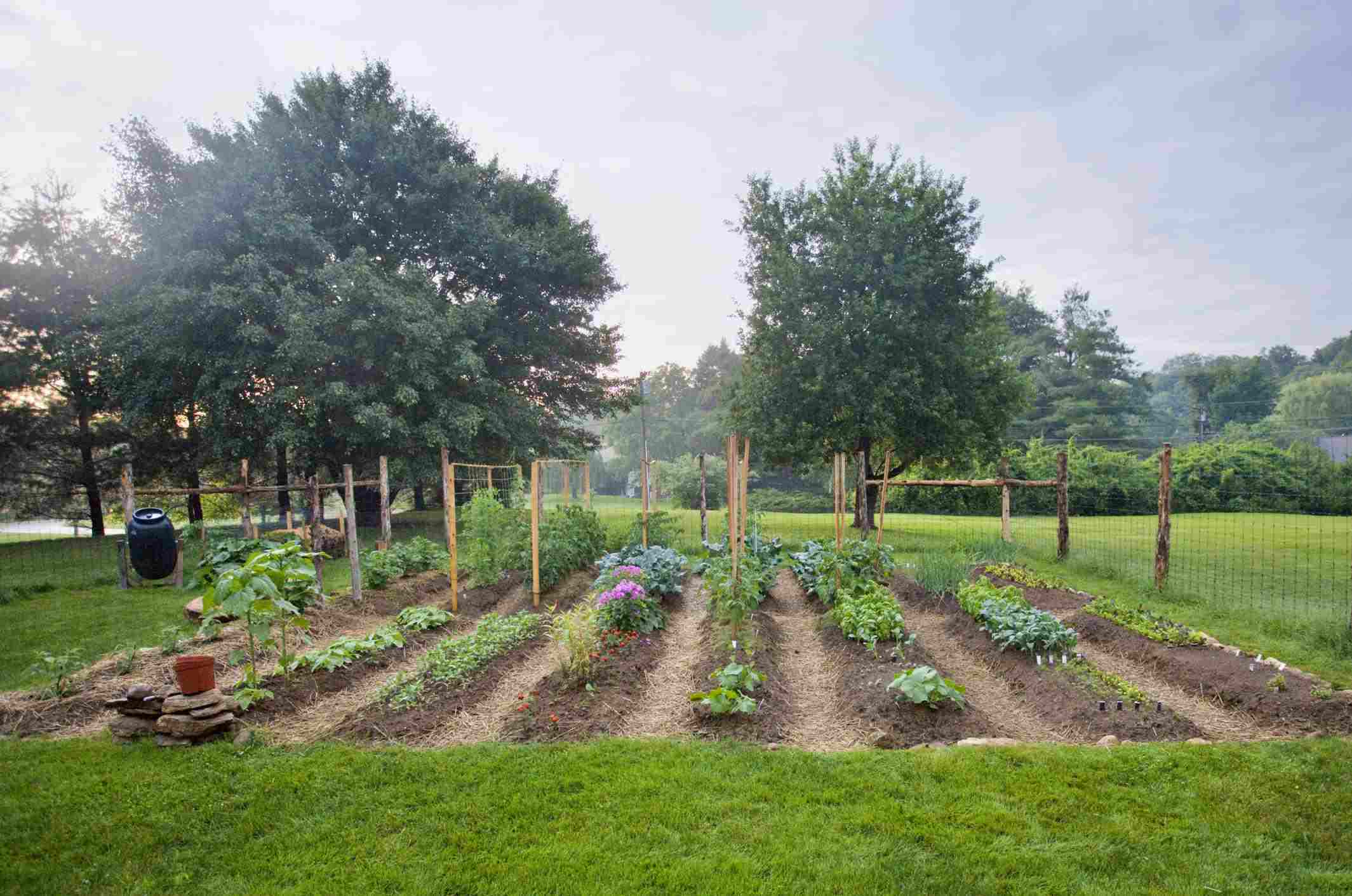
Planning Your Vegetable Garden
Starting a vegetable garden at home begins with careful planning. Consider the size of your garden and the types of vegetables you want to grow. Assess the amount of sunlight your garden area receives daily, as most vegetables require at least six hours of sunlight. Sketch a layout of your garden, keeping in mind the space needed for each plant. Planning ensures that your garden is well-organized and that each plant has enough room to grow. Additionally, consider the climate and soil conditions in your area to choose vegetables that will thrive. With thoughtful planning, you set the foundation for a successful and productive vegetable garden.
Choosing the Right Vegetables
Selecting the right vegetables for your garden is crucial. Opt for vegetables that you and your family enjoy eating. Beginner-friendly vegetables such as tomatoes, cucumbers, and lettuce are excellent choices. Research the growing requirements of each vegetable, including the space they need, their growth habits, and the best planting times. Some vegetables are more suited for specific seasons, so it's essential to understand the growing cycles. By choosing the right vegetables, you increase the likelihood of a bountiful harvest and a rewarding gardening experience.
Preparing the Soil
Healthy soil is the backbone of a thriving vegetable garden. Start by testing your soil to determine its pH level and nutrient content. Based on the results, amend the soil with organic matter such as compost or manure to improve its fertility and structure. Well-drained, loamy soil is ideal for most vegetables. Regularly till the soil to break up clumps and remove weeds, ensuring that your plants have a conducive environment for growth. Proper soil preparation enhances root development and nutrient uptake, leading to healthier plants and better yields.
Planting Your Vegetables
Once your soil is ready, it's time to start planting your vegetables. Follow the recommended planting depth and spacing for each type of vegetable. Some vegetables can be directly sown into the ground, while others may require starting indoors and then transplanting. Pay attention to the planting instructions on seed packets or plant labels. Water the plants thoroughly after planting to help them establish roots. Regularly monitor the moisture levels and provide adequate water, especially during dry periods. Proper planting techniques set the stage for robust growth and a fruitful garden.
Caring for Your Garden
Consistent care is essential for a successful vegetable garden. Regular watering is crucial, especially during the growing season. Mulching around your plants helps retain moisture and suppress weeds. Fertilize your garden periodically with organic or balanced fertilizers to provide essential nutrients. Keep an eye out for pests and diseases, and take prompt action to address any issues. Pruning and staking plants, such as tomatoes, can help improve air circulation and prevent disease. By dedicating time to care for your garden, you ensure that your vegetables grow healthy and strong.
Harvesting and Enjoying Your Produce
The final step in your vegetable gardening journey is harvesting your produce. Knowing the right time to harvest each vegetable is key to enjoying the best flavor and texture. Use clean, sharp tools to harvest, and handle the vegetables gently to avoid bruising. After harvesting, store your vegetables properly to maintain their freshness. Enjoy the fruits of your labor by incorporating fresh, homegrown vegetables into your meals. Sharing your harvest with friends and family can also be a rewarding experience. Harvesting your produce marks the culmination of your hard work and the beginning of enjoying the benefits of home gardening.