How to Store Groceries for Maximum Freshness
Learn the best techniques to store your groceries and keep them fresh for longer, reducing waste and saving money.
Understanding the Basics of Grocery Storage
Storing groceries properly is essential for maintaining their freshness and ensuring you get the most out of your food. Knowing where and how to store different types of groceries can prevent spoilage and save you money. Fresh produce, dairy products, meats, and dry goods all have specific storage needs. By following a few simple guidelines, you can extend the life of your groceries and reduce waste. Start by organizing your pantry, refrigerator, and freezer to make space for new items and ensure that older items are used first. This practice, often referred to as first in, first out (FIFO), helps keep your groceries rotating and fresh.
Refrigeration: What Goes Where
The refrigerator is a crucial appliance for keeping many groceries fresh, but not everything belongs in the fridge. Dairy products, meats, and most fruits and vegetables should be stored in the refrigerator. However, some items like tomatoes, potatoes, and onions are best kept at room temperature. Use the crisper drawers for fruits and vegetables, adjusting the humidity settings to match the needs of the produce. For example, leafy greens prefer higher humidity, while apples and pears do better with lower humidity. Properly wrapping meats and placing them on the bottom shelf can prevent cross-contamination and keep them fresh longer.
Freezing for Longevity
Freezing is an excellent way to extend the life of many groceries, including meats, bread, and some fruits and vegetables. When freezing items, it's important to use airtight containers or freezer bags to prevent freezer burn. Labeling items with the date they were frozen helps you keep track of their age and ensures you use older items first. Blanching vegetables before freezing can help preserve their color, texture, and nutritional value. For meats, consider portioning them into smaller packages before freezing to make defrosting easier and more efficient.
Pantry Storage: Keeping Dry Goods Fresh
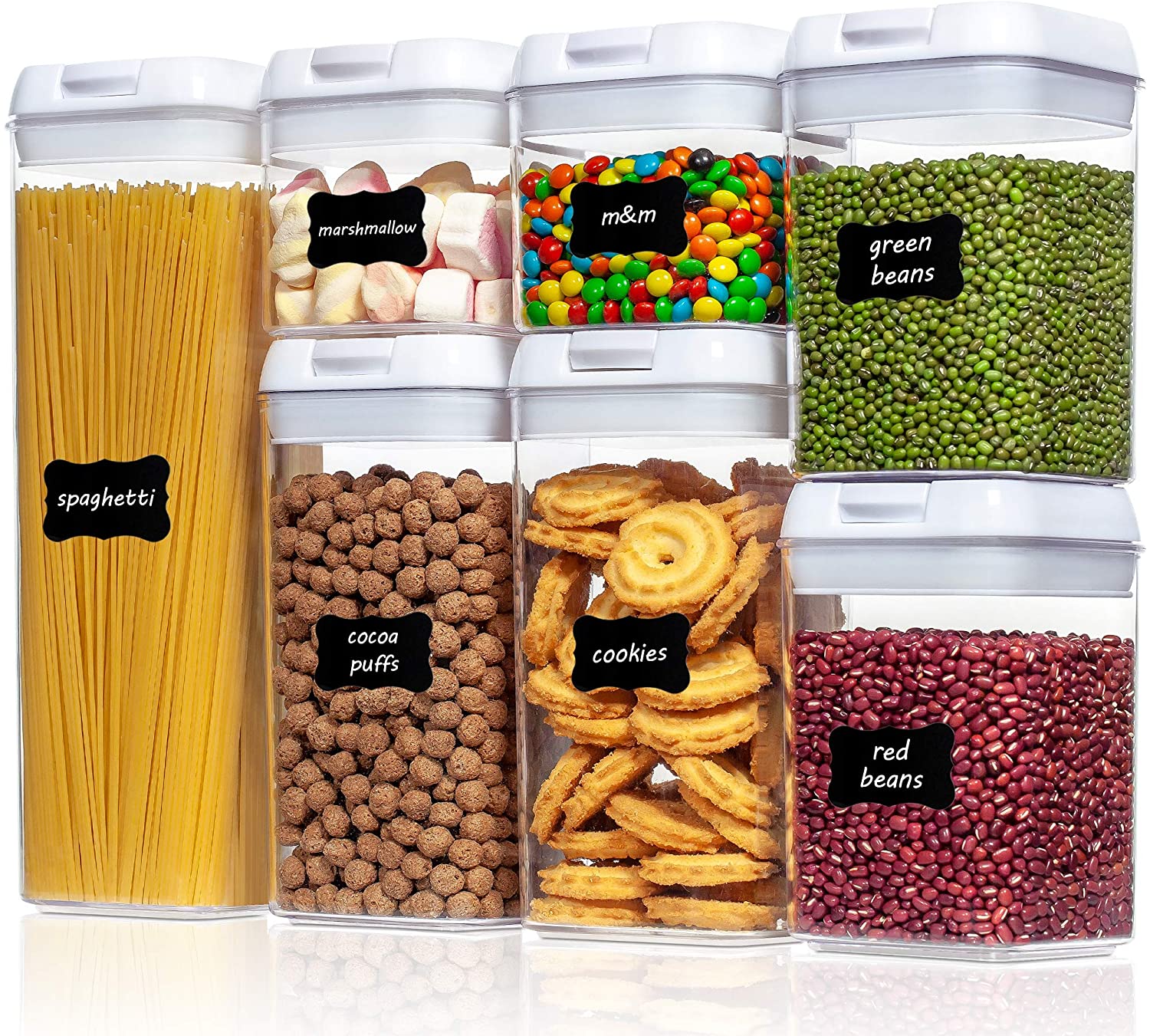
Dry goods such as grains, pasta, and canned goods have different storage needs compared to perishable items. Store these items in a cool, dark place like a pantry or cupboard. Using airtight containers can help keep out pests and maintain freshness. Rotate your stock regularly and check for expiration dates to ensure you're using items before they go bad. Keeping a well-organized pantry can make meal planning and preparation more efficient and help you avoid buying duplicates of items you already have.
Storing Fresh Produce
Fresh produce requires special attention to stay fresh. Some fruits and vegetables produce ethylene gas, which can cause other produce to ripen and spoil faster. Store ethylene-sensitive items like bananas, avocados, and tomatoes separately from other produce. Washing fruits and vegetables before storing them can introduce moisture, leading to mold and spoilage. Instead, wash them just before use. Using produce bags or containers designed to regulate moisture can also help extend the life of your fruits and vegetables.
Dairy and Eggs: Best Practices
Dairy products and eggs need to be stored correctly to maintain their quality and safety. Keep dairy products like milk, cheese, and yogurt in the coldest part of the refrigerator, usually the back of the top shelf. Eggs should be stored in their original carton on a middle shelf, where the temperature is more consistent. Avoid storing dairy products and eggs in the refrigerator door, as the temperature can fluctuate more frequently. Keeping these items at a consistent, cold temperature helps prevent spoilage and maintains their freshness.
Tips for Meat and Seafood Storage
Proper storage of meat and seafood is crucial for food safety and freshness. Store raw meat and seafood in the coldest part of the refrigerator, typically the bottom shelf, to prevent juices from dripping onto other foods. Use airtight containers or plastic wrap to keep them fresh and prevent cross-contamination. If you don't plan to use meat or seafood within a few days, consider freezing it. When thawing frozen meat or seafood, do so in the refrigerator or a cold-water bath, never at room temperature, to prevent bacterial growth.