Mental Health: Recognizing and Managing Anxiety
Understanding and managing anxiety is crucial for mental well-being. Learn how to recognize symptoms and adopt effective coping strategies.
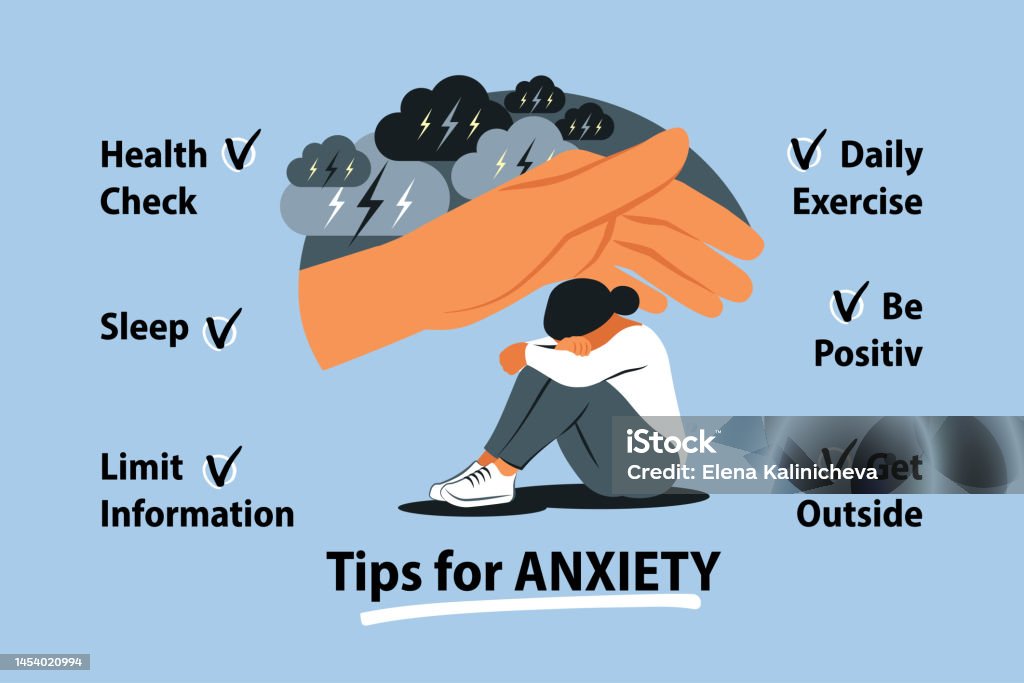
Understanding Anxiety
Anxiety is a natural response to stress, characterized by feelings of worry, nervousness, or fear. It's a normal part of life, especially when facing challenging situations like public speaking, exams, or job interviews. However, when anxiety becomes overwhelming and persistent, it may indicate an anxiety disorder. Recognizing the symptoms early can help in managing and mitigating its impact on daily life. Common symptoms include excessive worrying, restlessness, fatigue, and difficulty concentrating. Understanding these signs is the first step towards seeking appropriate help and improving mental health.
Common Triggers
Identifying what triggers your anxiety can be a game-changer in managing it. Triggers vary from person to person but often include stressful life events, work pressure, financial concerns, or personal relationships. Environmental factors like noise, crowded places, or even certain smells can also contribute. By keeping a journal to track when and where your anxiety spikes, you can identify patterns and take proactive steps to avoid or mitigate these triggers. This awareness empowers you to create a more controlled and calm environment for yourself.
The Role of Genetics and Biology
While environmental factors play a significant role, genetics and biology also contribute to anxiety. Research suggests that anxiety disorders can run in families, indicating a genetic predisposition. Neurotransmitters, which are chemicals in the brain that transmit signals, also play a crucial role. Imbalances in these chemicals can affect mood and anxiety levels. Understanding the biological aspects can help in seeking medical advice and considering treatments like medication or therapy that target these specific areas. It's essential to approach anxiety as a multifaceted issue that requires a comprehensive treatment plan.
Effective Coping Strategies
Managing anxiety often involves a combination of strategies tailored to individual needs. Cognitive Behavioral Therapy (CBT) is a widely recommended approach that helps individuals reframe negative thought patterns. Mindfulness and meditation techniques can also be beneficial in reducing stress and promoting a sense of calm. Physical activities like exercise can help release endorphins, which are natural mood lifters. Additionally, maintaining a balanced diet and getting adequate sleep are crucial for overall well-being. Combining these strategies can create a robust plan for managing anxiety effectively.
The Importance of Professional Help
While self-help strategies are beneficial, professional guidance is often necessary for managing severe anxiety. Mental health professionals like psychologists, psychiatrists, and therapists can provide specialized care tailored to individual needs. Therapies such as CBT, Dialectical Behavior Therapy (DBT), and exposure therapy have proven effective in treating anxiety disorders. In some cases, medication may be prescribed to help manage symptoms. Seeking professional help is not a sign of weakness but a proactive step towards better mental health. Early intervention can prevent anxiety from escalating and improve the quality of life.
Social Support and Community
Social support plays a crucial role in managing anxiety. Having a network of friends, family, or support groups can provide emotional comfort and practical advice. Sharing your feelings and experiences with others who understand can be incredibly validating and reassuring. Online communities and local support groups offer a platform to connect with others facing similar challenges. Building a strong support system can help you feel less isolated and more empowered to tackle anxiety. Remember, you are not alone, and reaching out for support is a vital part of the healing process.
Lifestyle Changes for Better Mental Health
Simple lifestyle changes can make a significant difference in managing anxiety. Regular exercise, such as walking, jogging, or yoga, can help reduce stress levels. Balanced nutrition and avoiding excessive caffeine and alcohol can also positively impact your mood. Establishing a routine that includes time for relaxation and hobbies can provide a sense of stability and joy. Practicing good sleep hygiene by maintaining a consistent sleep schedule and creating a restful environment can improve overall mental health. Small, consistent changes can lead to substantial improvements in managing anxiety.
The Path to Resilience
Building resilience is essential for long-term mental health. Resilience involves developing the ability to bounce back from stressful situations and adapt to challenges. Practicing gratitude, setting realistic goals, and focusing on what you can control can help build resilience. Learning from past experiences and recognizing your strengths can empower you to face future challenges with confidence. Developing a resilient mindset takes time and effort but can significantly improve your ability to manage anxiety. By fostering resilience, you can create a more balanced and fulfilling life.