The Connection Between Gut Health and Overall Wellbeing
Discover how gut health influences your overall wellbeing, from mental health to immune function, and learn tips for maintaining a healthy gut.
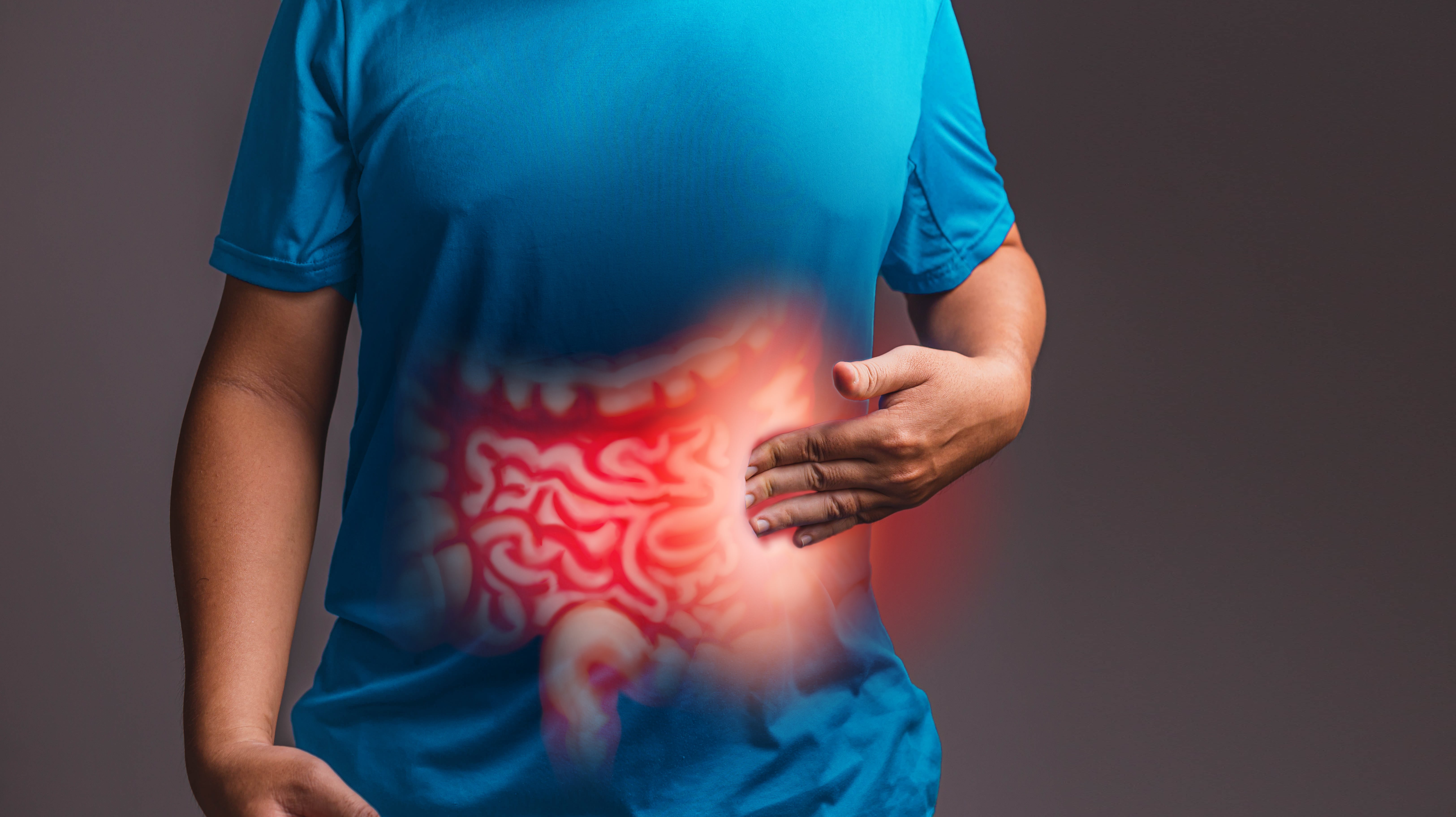
The Importance of Gut Health
The gut, often referred to as the second brain, plays a pivotal role in our overall health and wellbeing. It is home to trillions of microorganisms, including bacteria, fungi, and viruses, collectively known as the gut microbiome. These microorganisms are not merely passive residents; they actively influence various bodily functions. From digesting food and absorbing nutrients to producing essential vitamins and protecting against harmful pathogens, the gut microbiome is integral to maintaining health. Poor gut health can lead to a myriad of issues, including digestive disorders, weakened immunity, and even mental health problems. Therefore, understanding and maintaining gut health is crucial for overall wellbeing.
The Gut-Brain Axis
The gut-brain axis is a complex communication network that links the gut and the brain. This bidirectional communication system involves the nervous system, hormonal signaling, and immune pathways. The gut produces neurotransmitters such as serotonin and dopamine, which are essential for mood regulation. A healthy gut can help alleviate symptoms of anxiety and depression, while an unhealthy gut may exacerbate these conditions. Research suggests that a balanced gut microbiome can improve cognitive function and emotional health. Thus, nurturing gut health is not only beneficial for physical health but also for mental and emotional wellbeing.
Immunity and Gut Health
A significant portion of the immune system resides in the gut. The gut-associated lymphoid tissue (GALT) contains about 70% of the body's immune cells. These cells play a crucial role in identifying and neutralizing harmful pathogens. A healthy gut microbiome supports the immune system by maintaining the integrity of the gut lining, preventing the entry of harmful substances into the bloodstream. Conversely, an imbalanced gut microbiome can lead to chronic inflammation and a weakened immune response. Therefore, fostering a healthy gut environment is essential for robust immunity and overall health.
Digestive Health
The primary function of the gut is to digest food and absorb nutrients. The gut microbiome aids in breaking down complex carbohydrates, proteins, and fats, making it easier for the body to absorb essential nutrients. A healthy gut ensures efficient digestion and prevents common digestive issues such as bloating, constipation, and diarrhea. On the other hand, an unhealthy gut can lead to malabsorption, nutrient deficiencies, and chronic digestive disorders like irritable bowel syndrome (IBS). Maintaining a balanced gut microbiome through a healthy diet and lifestyle can significantly improve digestive health.
Diet and Gut Health
Diet plays a crucial role in shaping the gut microbiome. Consuming a diverse range of foods, particularly those rich in fiber, prebiotics, and probiotics, can promote a healthy gut environment. Fiber-rich foods such as fruits, vegetables, whole grains, and legumes serve as fuel for beneficial gut bacteria. Prebiotics, found in foods like garlic, onions, and bananas, help nourish these bacteria. Probiotics, present in fermented foods like yogurt, kefir, and sauerkraut, introduce beneficial bacteria into the gut. Avoiding processed foods, excessive sugar, and artificial additives can also help maintain gut health. A balanced diet is key to nurturing a healthy gut microbiome.
Lifestyle Factors
Several lifestyle factors influence gut health. Regular physical activity has been shown to promote a diverse and balanced gut microbiome. Exercise helps increase gut motility, reducing the risk of constipation and promoting overall digestive health. Stress management is equally important, as chronic stress can negatively impact gut health by altering the gut microbiome and increasing gut permeability. Adequate sleep is also crucial for maintaining gut health, as poor sleep patterns can disrupt the balance of gut bacteria. Incorporating healthy lifestyle habits can significantly contribute to a healthier gut and overall wellbeing.
The Role of Antibiotics
While antibiotics are essential for treating bacterial infections, their overuse can harm the gut microbiome. Antibiotics can kill both harmful and beneficial bacteria, leading to an imbalanced gut microbiome. This imbalance can result in digestive issues, weakened immunity, and increased susceptibility to infections. It is important to use antibiotics only when necessary and under medical supervision. After a course of antibiotics, consuming probiotic-rich foods or supplements can help restore the balance of the gut microbiome. Being mindful of antibiotic use is crucial for maintaining long-term gut health.
Long-Term Benefits of a Healthy Gut
Maintaining a healthy gut offers numerous long-term benefits. A balanced gut microbiome supports efficient digestion, strong immunity, and optimal mental health. It can also reduce the risk of chronic diseases such as obesity, diabetes, and cardiovascular diseases. A healthy gut contributes to better skin health, as it helps regulate inflammation and detoxification processes. Furthermore, emerging research suggests that a healthy gut microbiome may play a role in longevity. By prioritizing gut health through a balanced diet, regular exercise, stress management, and mindful antibiotic use, individuals can enhance their overall health and wellbeing for years to come.