Top Tips for Maintaining a Beautiful Lawn
Discover essential tips for maintaining a lush, green lawn year-round, from proper mowing techniques to effective watering strategies.
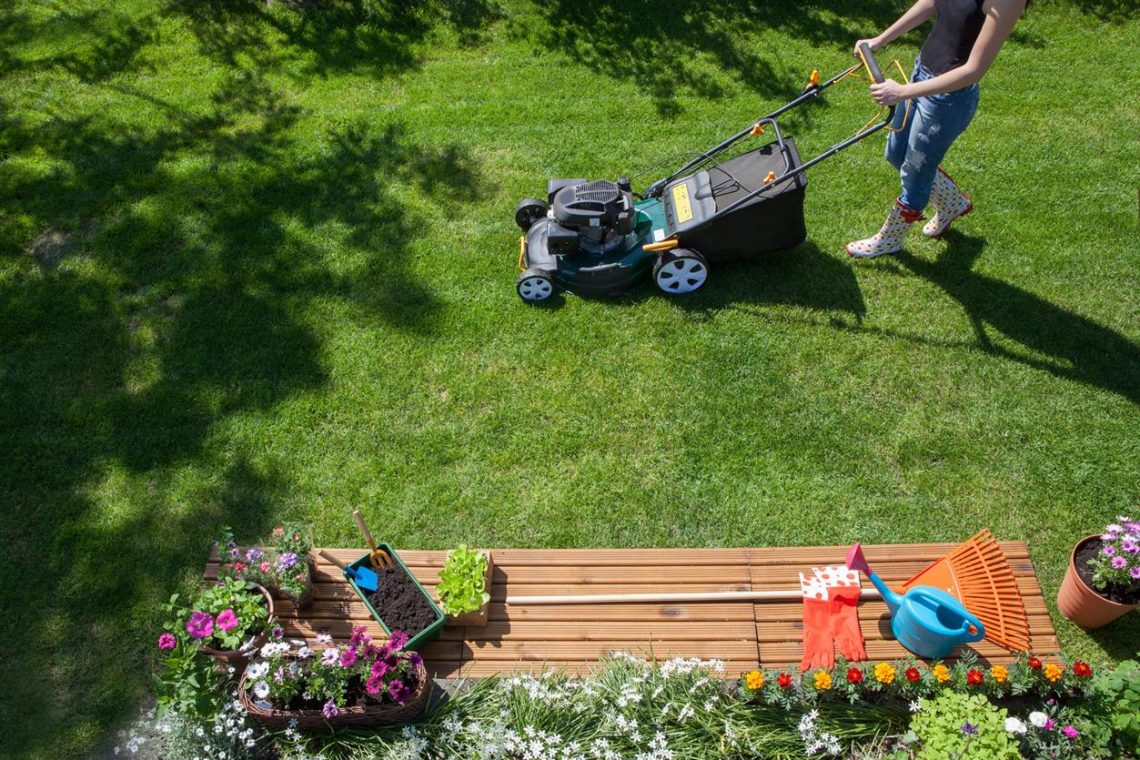
Proper Mowing Techniques
Maintaining a beautiful lawn starts with proper mowing techniques. It's essential to mow your lawn regularly, but not too short. Cutting your grass too short can stress the plants and make them more susceptible to diseases and pests. Aim to remove no more than one-third of the grass blade length in a single mowing. Sharpen your mower blades frequently to ensure a clean cut, which helps the grass heal faster and look healthier. Adjust the mower height according to the season and grass type, ensuring that you maintain optimal grass length for robust growth.
Effective Watering Practices
Watering your lawn correctly is crucial for its health and beauty. Overwatering can lead to shallow root systems and promote weed growth, while underwatering can cause the grass to become dry and brittle. The best practice is to water deeply and infrequently, allowing the soil to dry out between watering sessions. This encourages deep root growth, making your lawn more drought-resistant. Water early in the morning to reduce evaporation and fungal growth, ensuring that your lawn receives the maximum benefit from each watering session.
Fertilization Strategies
Fertilizing your lawn provides essential nutrients that help maintain its lush, green appearance. Choose a balanced fertilizer that contains nitrogen, phosphorus, and potassium, and apply it according to the manufacturer's instructions. Timing is crucial; fertilize in the spring to support new growth and in the fall to help the lawn recover from summer stress and prepare for winter. Avoid over-fertilizing, as this can lead to excessive growth and increased vulnerability to pests and diseases. Consider using organic fertilizers for a more environmentally friendly approach.
Weed Control Methods
Keeping your lawn free from weeds is vital for its beauty and health. Weeds compete with grass for nutrients, water, and sunlight, often resulting in a patchy and unattractive lawn. Employ both pre-emergent and post-emergent herbicides to tackle weeds effectively. Pre-emergent herbicides prevent weed seeds from germinating, while post-emergent herbicides kill existing weeds. Hand-pulling weeds is also an effective method, especially for smaller infestations. Maintaining a thick, healthy lawn can naturally suppress weed growth by reducing the available space for weeds to establish.
Pest Management
Pests can wreak havoc on your lawn, causing significant damage if left unchecked. Common lawn pests include grubs, chinch bugs, and armyworms. Regularly inspect your lawn for signs of pest activity, such as brown patches or chewed grass blades. Integrated Pest Management (IPM) strategies can help control pests while minimizing harm to beneficial insects and the environment. This approach includes cultural practices, biological controls, and chemical treatments when necessary. Encourage natural predators like birds and beneficial insects to help keep pest populations in check.
Aeration and Soil Health
Aeration is essential for maintaining a healthy lawn, as it helps alleviate soil compaction and improves air, water, and nutrient movement to the grass roots. Perform aeration at least once a year, ideally in the fall or spring, using a core aerator that removes small plugs of soil from the lawn. This process encourages root growth and enhances the lawn's overall resilience. Additionally, regularly test your soil's pH and nutrient levels to ensure it provides an optimal growing environment. Amend the soil with lime or sulfur as needed to adjust the pH and apply organic matter to improve soil structure.
Seasonal Maintenance
Seasonal maintenance is key to keeping your lawn beautiful year-round. In the spring, focus on cleaning up debris, dethatching, and overseeding to repair any winter damage. Summer requires diligent watering and mowing practices to withstand heat and drought conditions. Fall is the time to aerate, fertilize, and overseed to prepare the lawn for winter. Winter maintenance involves keeping the lawn clear of leaves and debris to prevent mold and disease. By following these seasonal tasks, you ensure that your lawn remains healthy and attractive throughout the year.