Understanding the Basics of Contouring
Learn the essential techniques and tools for mastering contouring, a makeup method that enhances your facial features and creates dimension.
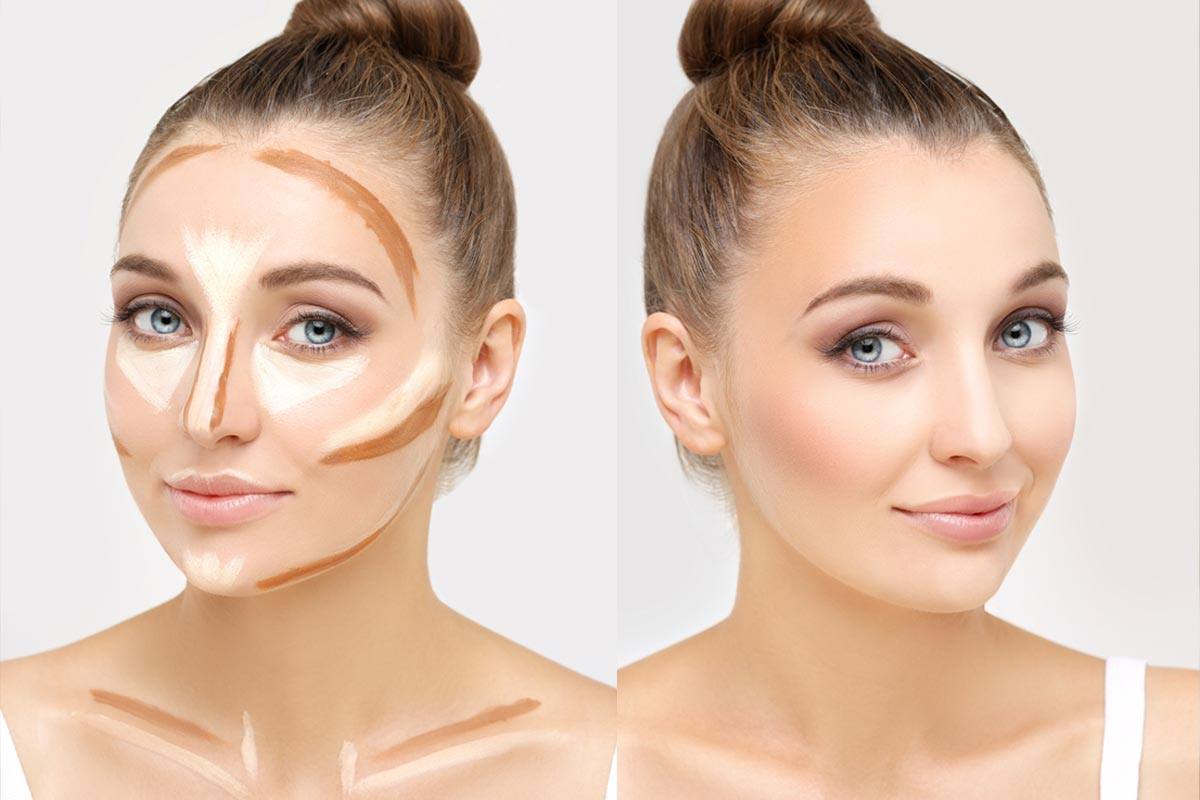
What is Contouring?
Contouring is a makeup technique that has gained immense popularity for its ability to enhance and define facial features. By using makeup products like foundation, bronzer, and highlighter, you can create shadows and highlights that mimic the natural play of light on your face. The primary goal of contouring is to accentuate your bone structure and give your face more dimension. It's a versatile technique that can be adapted to suit different face shapes and personal preferences, making it a staple in many beauty routines. Understanding the basics of contouring can elevate your makeup game and help you achieve a more polished look.
Tools You Need
To get started with contouring, you'll need a few essential tools. A good set of makeup brushes is crucial for precise application. Look for a contour brush, which is typically angled to help you apply product with accuracy. You'll also need a high-quality bronzer or contour powder, a highlighter, and a blending sponge or brush. Some people prefer cream-based products for a more natural finish, while others stick to powders for easier blending. Additionally, having a good mirror with proper lighting can make a significant difference in the outcome of your contouring efforts. Investing in these tools will set you up for success.
Understanding Your Face Shape
Before you start contouring, it's important to understand your face shape. Different face shapes require different contouring techniques to achieve the desired effect. Common face shapes include oval, round, square, heart, and long. For example, if you have a round face, you might want to focus on creating more defined cheekbones and a slimmer jawline. On the other hand, if you have a square face, you might aim to soften the angles by applying contour around the jaw and forehead. Knowing your face shape will help you apply contour in the most flattering way.
The Contouring Process
Begin by applying your foundation and concealer as you normally would. This creates a smooth base for your contouring products. Next, use a contour product that is one or two shades darker than your skin tone to create shadows. Apply the contour product along your hairline, under your cheekbones, and along your jawline. Blend well to avoid harsh lines. Then, use a highlighter that is one or two shades lighter than your skin tone to accentuate the high points of your face, such as the tops of your cheekbones, the bridge of your nose, and your brow bone. Blending is key to achieving a natural look.
Blending Techniques
Blending is perhaps the most crucial step in the contouring process. Without proper blending, your contour can look harsh and unnatural. Use a damp beauty sponge or a blending brush to seamlessly blend the contour and highlight into your foundation. Make sure there are no visible lines or patches. The goal is to create a smooth transition between the contoured areas and the rest of your face. Blending in circular motions can help achieve a more natural finish. Take your time with this step, as well-blended makeup looks more professional and polished.
Common Mistakes to Avoid
One common mistake in contouring is using the wrong shade of contour or highlight. Always choose shades that complement your skin tone. Another mistake is applying too much product, which can make the contour look unnatural. Start with a small amount of product and build up if necessary. Not blending properly is another frequent error; harsh lines can ruin the effect of contouring. Lastly, forgetting to set your makeup with a setting spray or powder can cause your contour to fade throughout the day. Being aware of these mistakes can help you avoid them and achieve a flawless look.
Practice Makes Perfect
Like any makeup technique, contouring requires practice to master. Don't be discouraged if your first attempts don't turn out as expected. Take the time to experiment with different products and techniques to see what works best for you. Watching tutorials and reading guides can also provide valuable insights and tips. Over time, you'll develop a routine that suits your face shape and personal style. Remember, makeup is an art form, and practice will help you refine your skills and boost your confidence.
Final Thoughts
Contouring can seem intimidating at first, but understanding the basics can make the process much easier. With the right tools, knowledge of your face shape, and proper blending techniques, you can achieve a beautifully contoured look. Avoid common mistakes by choosing the right shades and practicing regularly. As you become more comfortable with contouring, you'll find it to be a fun and rewarding part of your makeup routine. Whether you're getting ready for a special occasion or just want to enhance your everyday look, contouring can help you feel more confident and polished.