Yoga Poses for Beginners to Improve Flexibility
Discover beginner-friendly yoga poses to enhance your flexibility and boost overall well-being with easy-to-follow steps.
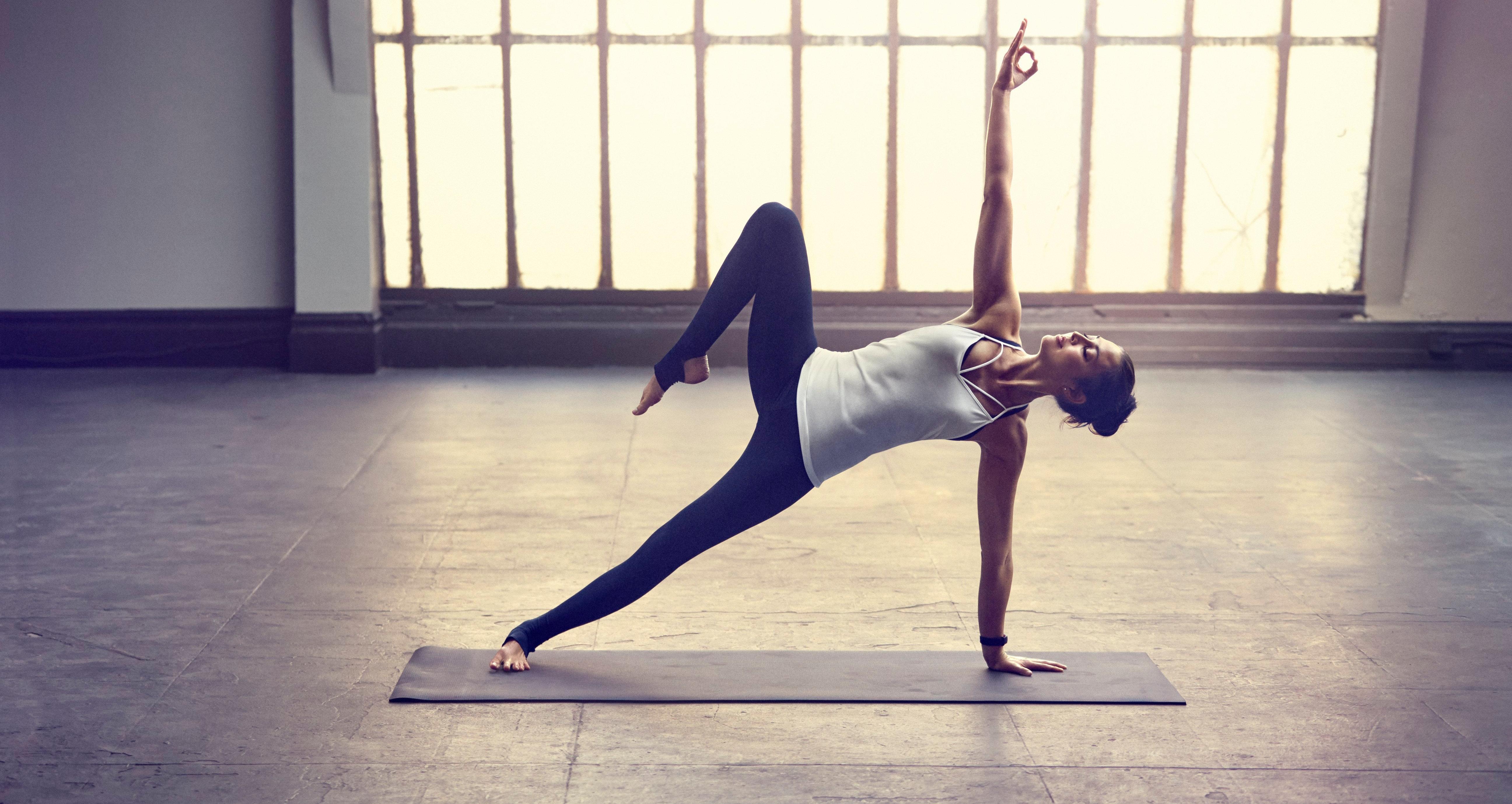
Introduction to Yoga for Flexibility
Yoga is a fantastic way to enhance your flexibility, especially if you're a beginner. Incorporating specific poses into your daily routine can significantly improve your range of motion, reduce stiffness, and promote overall well-being. Flexibility is not just about being able to do the splits; it's about moving more freely and comfortably in your daily life. This article will introduce you to some fundamental yoga poses that are ideal for beginners looking to enhance their flexibility. Let's dive into these poses and discover how they can benefit you.
Downward-Facing Dog (Adho Mukha Svanasana)
One of the most iconic yoga poses, the Downward-Facing Dog, is excellent for stretching the entire body. This pose targets the hamstrings, calves, and shoulders, making it perfect for improving flexibility. To perform this pose, start on your hands and knees, then lift your hips towards the ceiling, forming an inverted V shape. Keep your hands shoulder-width apart and your feet hip-width apart. Focus on pushing your heels towards the ground and lengthening your spine. This pose not only enhances flexibility but also strengthens the arms and legs.
Cat-Cow Pose (Marjaryasana-Bitilasana)
The Cat-Cow Pose is a gentle flow between two poses that warm up the spine and improve flexibility in the back and neck. Begin on your hands and knees in a tabletop position. As you inhale, drop your belly towards the mat, lift your head and tailbone, and arch your back (Cow Pose). As you exhale, round your spine towards the ceiling, tucking your chin to your chest (Cat Pose). Repeat this flow several times, synchronizing your breath with the movement. This pose is excellent for releasing tension in the spine and enhancing overall flexibility.
Standing Forward Bend (Uttanasana)
The Standing Forward Bend is a simple yet effective pose for stretching the hamstrings, calves, and lower back. Stand with your feet hip-width apart and slowly bend forward from your hips, keeping your spine long. Allow your head to hang heavy and reach for the ground or your shins. If you can't reach the floor, bend your knees slightly. This pose helps to release tension in the back and legs, promoting greater flexibility. With regular practice, you'll notice an improvement in your ability to bend forward and touch your toes.
Child's Pose (Balasana)
The Child's Pose is a restorative pose that gently stretches the hips, thighs, and ankles. Begin by kneeling on the floor with your big toes touching and knees spread apart. Sit back on your heels and extend your arms forward, lowering your torso between your thighs. Rest your forehead on the mat and relax your entire body. This pose is perfect for beginners as it allows you to focus on your breath and gently stretch your muscles. It's also a great way to relax and release any built-up tension, making it an excellent addition to any yoga routine.
Seated Forward Bend (Paschimottanasana)
The Seated Forward Bend is a classic pose that targets the hamstrings, lower back, and spine. Sit on the floor with your legs extended straight in front of you. Inhale and lengthen your spine, then exhale and hinge forward from your hips, reaching for your feet. If you can't reach your feet, hold onto your shins or use a strap around your feet. Keep your spine long and avoid rounding your back. This pose not only improves flexibility but also calms the mind and relieves stress. With consistent practice, you'll find yourself reaching further and feeling more at ease in this stretch.